Madras Literary Society- A historical monument, and also, a library
I was not sure where I was, so I asked the person at the counter for directions to the MLS, when she caught me by surprise saying that I was already standing in its premises. It is the first block one comes across in the DPI campus off College road, Chennai. Could this have been the place so strongly recommended by Deepan?, I mused. It was a library, no doubt, what with racks after racks of books, but it was just so… so old and almost dilapidated.
Slowly, collecting myself, I went through the New Release section. Pride and Prejudice? Emma! Finding it amusingly ironical, and comforting myself with the thought that they were probably misplaced, I moved on… This was a big library indeed; large bookshelves in neat rows stood up till the ceiling. I was quite lost as to where to head. No directions whatsoever, none author-wise, alphabet-wise or category-wise… nothing that I could spot. A peek at one of the bookshelves concluded that it was useless to go around this library, without any clue; with most of the books so old, and book covers so decayed, one has to open the first page of every book to know which one it is.
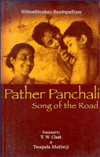
I got impatient. Just when I was about to reconsider the whole idea of getting a membership, and was hurriedly dialing my friend’s number to yell at him for making me waste my time, I saw a stack of books on the table. Books returned by readers, which have not yet been replaced in the shelves. Miraculously, the covers of these books have managed to retain their purpose to some extent, and I could read the names. Nirad C Chaudhari, Amitav Ghosh and Arundhati Roy caught my attention. I remembered what my friend was talking about, if not anything else, the library could end your search of what you were looking for: IWEs you could read without having to buy them from Landmark. I was thrilled; why, this could be a one-stop spot for all fans of Indian English books in Chennai who have suffered from having hardly any library that provides a good, updated collection of Indian authors.
Back home, I started reading more about what this bibliographical monument was all about. It has a very interesting history spanning way back in and is not as celebrated as it probably deserves to be. But for those who care more about the present than the past, here is a list of what-is-what about the library:
Location: DPI Complex, College road, Chennai
Annual admission fee: Rs.500+50
Door delivery option: Additional Rs.200 odd
Book limit: Six at a time
Lending period: Two weeks
Phone: 28279666
Slowly, collecting myself, I went through the New Release section. Pride and Prejudice? Emma! Finding it amusingly ironical, and comforting myself with the thought that they were probably misplaced, I moved on… This was a big library indeed; large bookshelves in neat rows stood up till the ceiling. I was quite lost as to where to head. No directions whatsoever, none author-wise, alphabet-wise or category-wise… nothing that I could spot. A peek at one of the bookshelves concluded that it was useless to go around this library, without any clue; with most of the books so old, and book covers so decayed, one has to open the first page of every book to know which one it is.
I got impatient. Just when I was about to reconsider the whole idea of getting a membership, and was hurriedly dialing my friend’s number to yell at him for making me waste my time, I saw a stack of books on the table. Books returned by readers, which have not yet been replaced in the shelves. Miraculously, the covers of these books have managed to retain their purpose to some extent, and I could read the names. Nirad C Chaudhari, Amitav Ghosh and Arundhati Roy caught my attention. I remembered what my friend was talking about, if not anything else, the library could end your search of what you were looking for: IWEs you could read without having to buy them from Landmark. I was thrilled; why, this could be a one-stop spot for all fans of Indian English books in Chennai who have suffered from having hardly any library that provides a good, updated collection of Indian authors.
Back home, I started reading more about what this bibliographical monument was all about. It has a very interesting history spanning way back in and is not as celebrated as it probably deserves to be. But for those who care more about the present than the past, here is a list of what-is-what about the library:
Location: DPI Complex, College road, Chennai
Annual admission fee: Rs.500+50
Door delivery option: Additional Rs.200 odd
Book limit: Six at a time
Lending period: Two weeks
Phone: 28279666
Following my friend’s example, I recommend the library, thumbs-up, for one, you could get a good supply of IWEs, and two, more than anything else, you could contribute towards the maintenance of an old library so badly neglected. Who knows what you might find one day in the midst of the cobwebs, probably a long lost literature treasure or something!!